| Mendeleev Communications |
|
|


|
|


|
This article is cited in 12 scientific papers (total in 12 papers) Focus Article Machine learning modelling of chemical reaction characteristics: yesterday, today, tomorrow T. I. Madzhidova, A. Rakhimbekovaa, V. A. Afoninaa, T. R. Gimadievb, R. N. Mukhametgalieva, R. I. Nugmanova, I. I. Baskinc, A. Varnekbd a Alexander Butlerov Institute of Chemistry, Kazan Federal University, Kazan, Russian Federation b Institute for Chemical Reaction Design and Discovery, Hokkaido University, Sapporo, Japan c Department of Materials Science and Engineering, Technion – Israel Institute of Technology, Haifa, Israel d Laboratoire de Modelisation et Simulations Moleculaires, Universite Louis Pasteur, Strasbourg, France 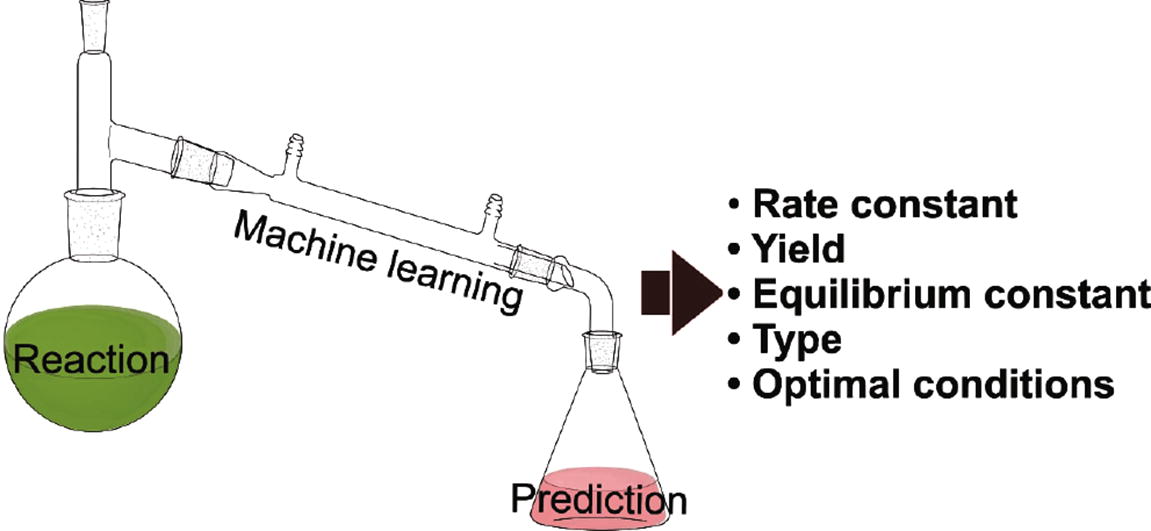
Bibliographic databases:

Citation: T. I. Madzhidov, A. Rakhimbekova, V. A. Afonina, T. R. Gimadiev, R. N. Mukhametgaliev, R. I. Nugmanov, I. I. Baskin, A. Varnek, “Machine learning modelling of chemical reaction characteristics: yesterday, today, tomorrow”, Mendeleev Commun., 31:6 (2021), |


|
||||||||||||||||||||||||||||||||||||||||








|
 Contact us:
 |
Terms of Use
|
Registration to the website |
Logotypes |
|