| Mendeleev Communications |
|
|


|
|


|
This article is cited in 4 scientific papers (total in 4 papers) Communications Titanium dioxide nanoparticles heavily doped with niobium: A light-induced electron paramagnetic resonance study V. Yu. Osipovab, D. Haocd, K. Takaib, T. Uchikoshide, H. Ogatabd, T. Ishigakibd a Ioffe Institute, St. Petersburg, Russian Federation b Department of Chemical Science and Technology, Hosei University, Tokyo, Japan c Ceramic Research Center, Saga University, Arita, Saga, Japan d Research Center for Micro-Nano Technology, Hosei University, Koganei, Tokyo, Japan e Research Center for Functional Materials, National Institute for Material Science, Tsukuba, Ibaraki, Japan 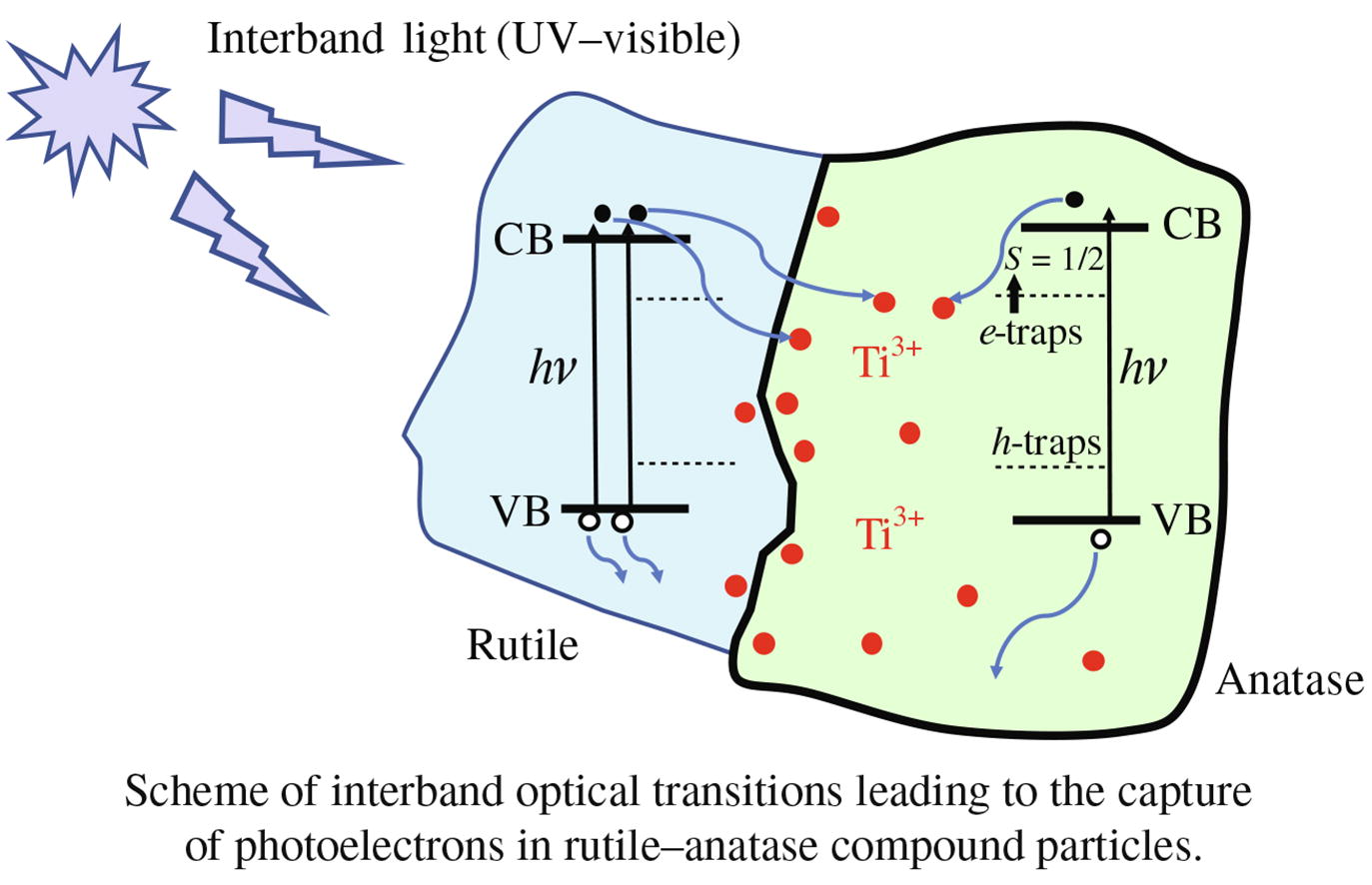
Bibliographic databases:

Citation: V. Yu. Osipov, D. Hao, K. Takai, T. Uchikoshi, H. Ogata, T. Ishigaki, “Titanium dioxide nanoparticles heavily doped with niobium: A light-induced electron paramagnetic resonance study”, Mendeleev Commun., 33:3 (2023), |


|
||||||||||||||||||||||||||||||||||







|
 Contact us:
 |
Terms of Use
|
Registration to the website |
Logotypes |
|