| Mendeleev Communications |
|
|


|
|


|
This article is cited in 18 scientific papers (total in 18 papers) Focus Article Parahydrogen-based NMR signal amplification by reversible exchange (SABRE): Recent advances and applications O. G. Salnikov, D. B. Burueva, I. V. Skovpin, I. V. Koptyug International Tomography Center, Siberian Branch of the Russian Academy of Sciences, Novosibirsk, Russian Federation 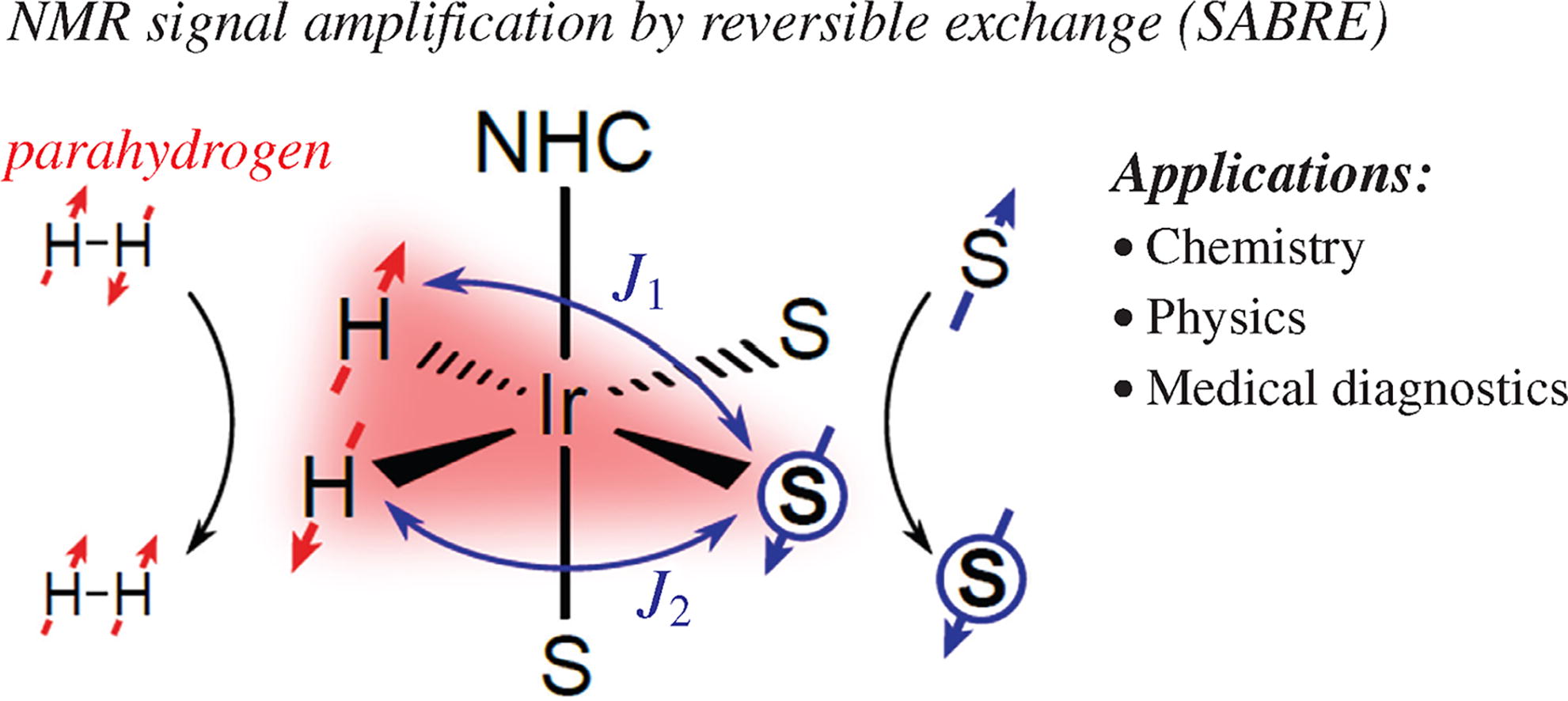
Bibliographic databases:
 Citation: O. G. Salnikov, D. B. Burueva, I. V. Skovpin, I. V. Koptyug, “Parahydrogen-based NMR signal amplification by reversible exchange (SABRE): Recent advances and applications”, Mendeleev Commun., 33:5 (2023), |


|





|
 Contact us:
 |
Terms of Use
|
Registration to the website |
Logotypes |
|