Abstract:
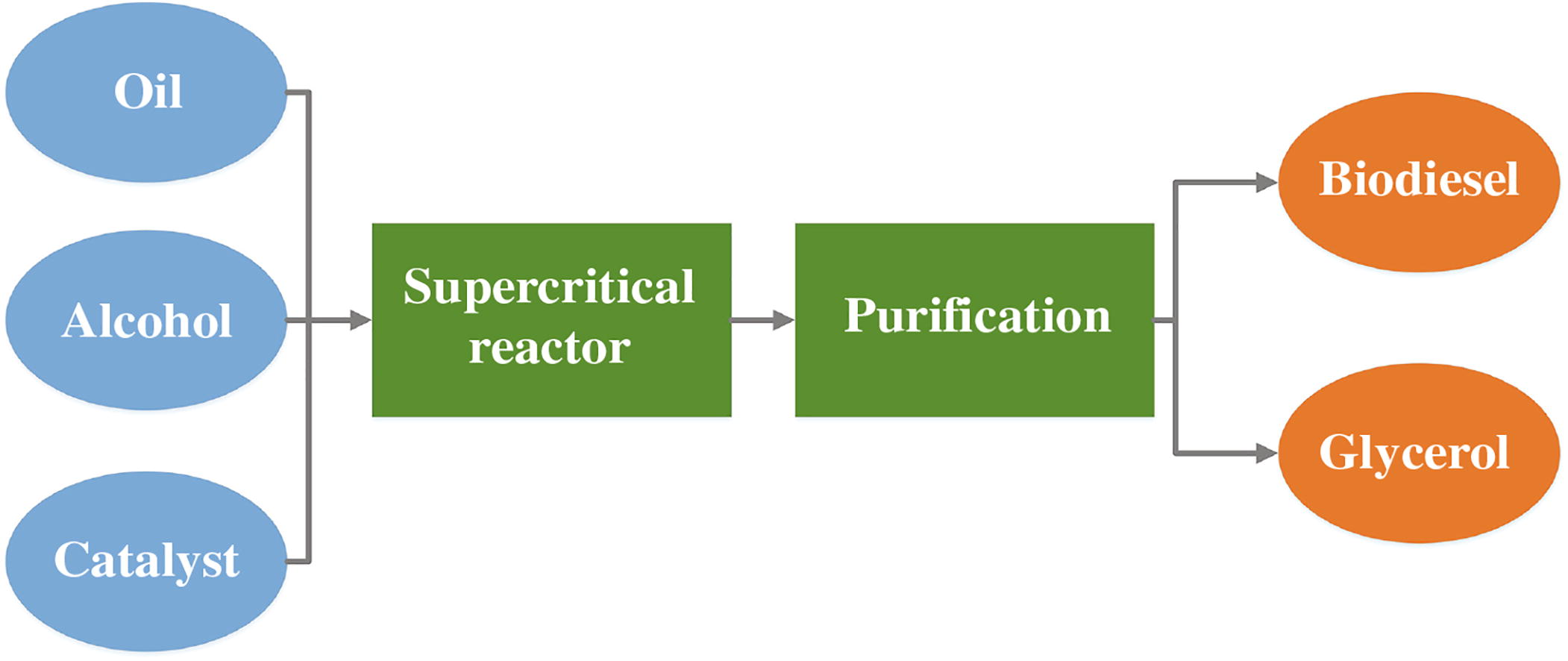
Increasing atmospheric pollution with greenhouse gases, a large proportion of which are transport pollutants, is forcing the search for new fuels from renewable sources. Biodiesel is currently produced by transesterification of plant oils over heterogeneous catalysts under gentle conditions. The other recent technology dealing with the transesterification with alcohols under supercritical conditions, i.e., at high temperature and pressure, can be more efficient, the cost of the resulting biodiesel having been lower, and lower quality feedstocks having been used. Supercritical transesterification can be performed catalytically or catalyst-free. This paper provides an overview of the catalytic lipid transesterification under supercritical conditions. The influence of raw material, alcohol and catalyst, as well as process parameters on biodiesel yield is analyzed.










 Contact us: